Same Molecule, Different Path
Compounded semaglutide and branded Ozempic contain the same active ingredient: semaglutide, a GLP-1 receptor agonist that reduces appetite, slows gastric emptying, and improves blood sugar control.
The difference is not what's in the medication. It's how it's made, who makes it, how it's packaged, and how it reaches you.
Branded Ozempic is manufactured by Novo Nordisk, a global pharmaceutical company headquartered in Denmark. Compounded semaglutide is prepared by a licensed pharmacist in a compounding pharmacy, based on a specific physician's prescription.
Both are legitimate pathways to the same medication. Understanding the differences helps patients and doctors make an informed choice.
How Branded Ozempic Is Made
Ozempic is manufactured at industrial scale in Novo Nordisk's production facilities. The finished product goes through the company's full quality system, receives regulatory approval as a finished dosage form, and is distributed through the global pharmaceutical supply chain.
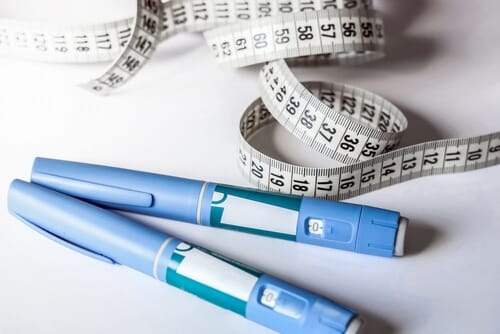
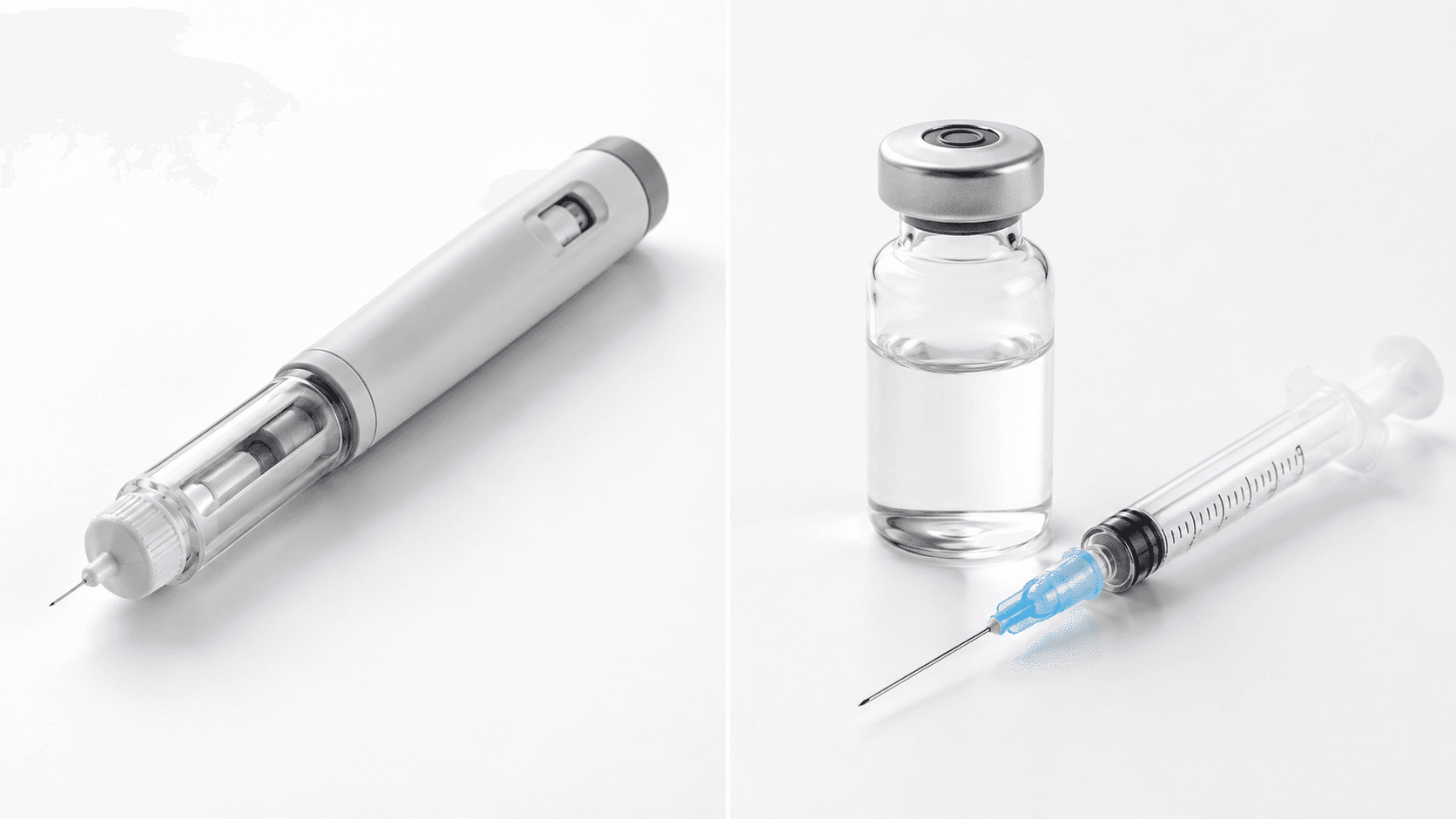
In the Philippines, Ozempic is FDA-PH registered and available at major pharmacy chains including Mercury Drug and Watsons, as well as hospital pharmacies. It comes in a pre-filled FlexTouch pen device with a fixed dose mechanism.
The pen format offers convenience — patients dial their dose and inject without needing to draw from a vial. However, the doses are fixed to the pen's configuration (0.25mg, 0.5mg, or 1mg for Ozempic; 0.25mg through 2.4mg for Wegovy).
How Compounded Semaglutide Is Made
Compounded semaglutide is prepared in a licensed compounding pharmacy by a registered pharmacist. The process starts with pharmaceutical-grade semaglutide sourced from qualified suppliers who provide Certificates of Analysis verifying identity, purity, and potency.
The pharmacist formulates the preparation according to the prescribing physician's specific order — determining the concentration, total volume, and any necessary excipients. For sterile injectable preparations, the compounding takes place in a controlled cleanroom environment following aseptic technique under USP 797 standards.
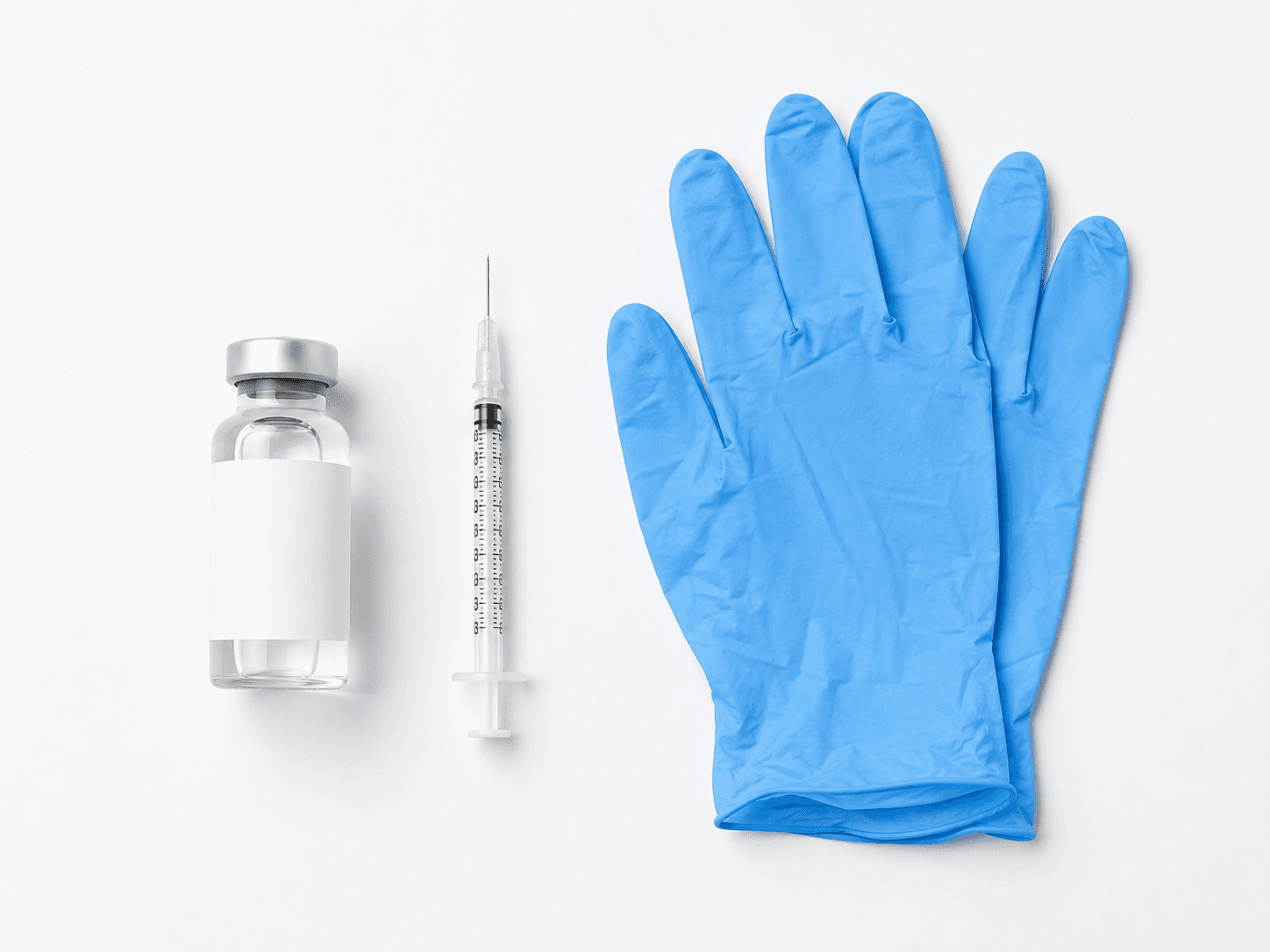
The finished preparation is dispensed in a multi-dose vial. Patients draw their prescribed dose using a syringe, which allows for precise dosing at any increment the doctor specifies — not limited to the fixed strengths of a branded pen.
Each batch is documented with complete records, and the preparation includes labeling with concentration, beyond-use date, storage instructions, and lot number.
Cost Comparison in the Philippines
Cost is often the most significant factor for Filipino patients considering their options.
Branded Ozempic retails at approximately ₱7,500 to ₱8,750 per pen at pharmacy chains like Watsons and Mercury Drug. A standard weight management protocol involves weekly injections with dose escalation, meaning patients may spend ₱30,000 or more over the first four months before reaching maintenance dosing.
Wegovy, the higher-dose semaglutide specifically approved for weight management, is expected to cost ₱28,000 to ₱35,000 per pen in the Philippines as supply stabilizes in 2026.
Compounded semaglutide is generally available at lower price points. Exact pricing varies by compounding pharmacy, concentration, and volume prescribed. Patients should contact their compounding pharmacy directly for current pricing.
No GLP-1 medication — branded or compounded — is currently covered by PhilHealth or most private insurance plans in the Philippines. All options are out-of-pocket expenses for the patient.
Access and Availability
Branded semaglutide has faced persistent global supply constraints since 2022. Novo Nordisk has publicly acknowledged production shortages. In the Philippines, patients report inconsistent stock at retail pharmacies — a pen may be available at one Watsons branch but out of stock at another.
Compounded semaglutide does not depend on a single manufacturer's global supply chain. It is made to order by the compounding pharmacy based on available pharmaceutical-grade ingredients. Availability depends on the pharmacy's sourcing and production capacity, not on Novo Nordisk's manufacturing output.
For clinics that need reliable supply for multiple patients, compounded semaglutide offers supply predictability that branded products currently cannot match.
Safety and Quality
Both branded and compounded semaglutide contain the same active ingredient and carry the same pharmacological effects and side effect profile.
The safety of branded Ozempic is backed by the manufacturer's global quality system, regulatory approval process, and post-market surveillance. The product is manufactured to Current Good Manufacturing Practice (cGMP) standards and is FDA-approved as a finished dosage form.
The safety of compounded semaglutide depends on the compounding pharmacy's quality systems. A reputable compounding pharmacy sources pharmaceutical-grade ingredients with COAs, follows USP 797 standards for sterile preparations, employs licensed pharmacists to supervise all compounding, maintains full batch documentation, and provides traceability from raw material to finished product.
The critical variable is the pharmacy itself. Compounded semaglutide from a licensed, quality-focused compounding pharmacy is a safe and legitimate option. Compounded medication from an unlicensed or unverified source carries real risk.
Patients and doctors should verify the pharmacy's FDA License to Operate, confirm pharmacist supervision, and request batch documentation before using any compounded medication.
Which One Is Right for You?
There is no single right answer. The choice depends on your situation.
Branded Ozempic may be better if you prefer the convenience of a pre-filled pen, you have reliable access to stock at your pharmacy, cost is not a primary concern, and you want a product backed by a global manufacturer's regulatory approval.
Compounded semaglutide may be better if branded products are too expensive for your budget, supply at your local pharmacy is inconsistent, your doctor wants to prescribe a dose that doesn't match branded pen configurations, or you're a clinic looking for a reliable supply partner for multiple patients.
In either case, GLP-1 therapy should only be used under the supervision of a licensed physician. The medication is the same molecule regardless of how it's prepared — but the medical oversight matters just as much as the formulation.
ObraRx compounds semaglutide for clinics and prescribing physicians in the Philippines. If you're exploring compounded GLP-1 options, contact us to discuss your needs.
FAQs
Q: Is compounded semaglutide the same as Ozempic?
A: Both contain the same active ingredient, semaglutide. The difference is that Ozempic is manufactured by Novo Nordisk as a finished product, while compounded semaglutide is prepared by a licensed pharmacist based on a doctor's prescription.
Q: Is compounded semaglutide cheaper than Ozempic in the Philippines?
A: Generally yes. Branded Ozempic retails at ₱7,500 to ₱8,750 per pen. Compounded semaglutide is typically available at lower price points, though pricing varies by pharmacy.
Q: Is compounded semaglutide safe?
A: When prepared by a licensed compounding pharmacy following USP standards with pharmaceutical-grade ingredients and pharmacist supervision, compounded semaglutide is a safe and legitimate option. Always verify the pharmacy's FDA License to Operate.