Introduction
GLP-1 receptor agonists have transformed the landscape of weight management and diabetes care globally. Medications like semaglutide and tirzepatide have generated unprecedented demand, but access in the Philippines has been complicated by high prices, limited branded supply, and a thriving gray market that puts patients at risk.
This guide covers what GLP-1 medications are, how they work, what your options are in the Philippines, and how to access them safely and legally.
What are GLP-1 medications?
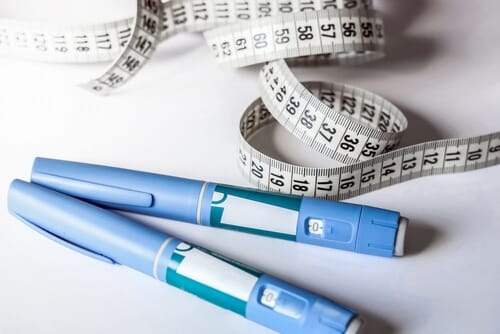
GLP-1 stands for glucagon-like peptide-1, a hormone produced naturally in your gut after meals. GLP-1 receptor agonists are medications that mimic this hormone, activating the same receptors to reduce appetite, slow stomach emptying, regulate blood sugar, and promote weight loss. The two most widely known GLP-1 agonists are semaglutide (the active ingredient in Ozempic and Wegovy) and tirzepatide (the active ingredient in Mounjaro and Zepbound).
Why is access limited in the Philippines?
Branded GLP-1 medications are priced for developed markets. In the Philippines, a single month of branded Ozempic can cost PHP 15,000–25,000 — far beyond what most Filipinos can afford on a sustained basis. Supply has also been inconsistent.
This gap has created a gray market. Patients purchase from Facebook groups, Viber channels, Shopee, Lazada, and informal networks. These products may be counterfeit, improperly stored, or contain incorrect dosages. There is no pharmacist oversight, no documentation, and no recourse if something goes wrong. The PCP (Philippine College of Physicians) and FDA Philippines have issued advisories warning against these unregistered products.
This gap has created a gray market. Patients purchase from online sellers, Facebook groups, Shopee, and informal channels. These products may be counterfeit, improperly stored, or contain incorrect dosages. There is no pharmacist oversight, no documentation, and no recourse if something goes wrong.
The third option: licensed compounding
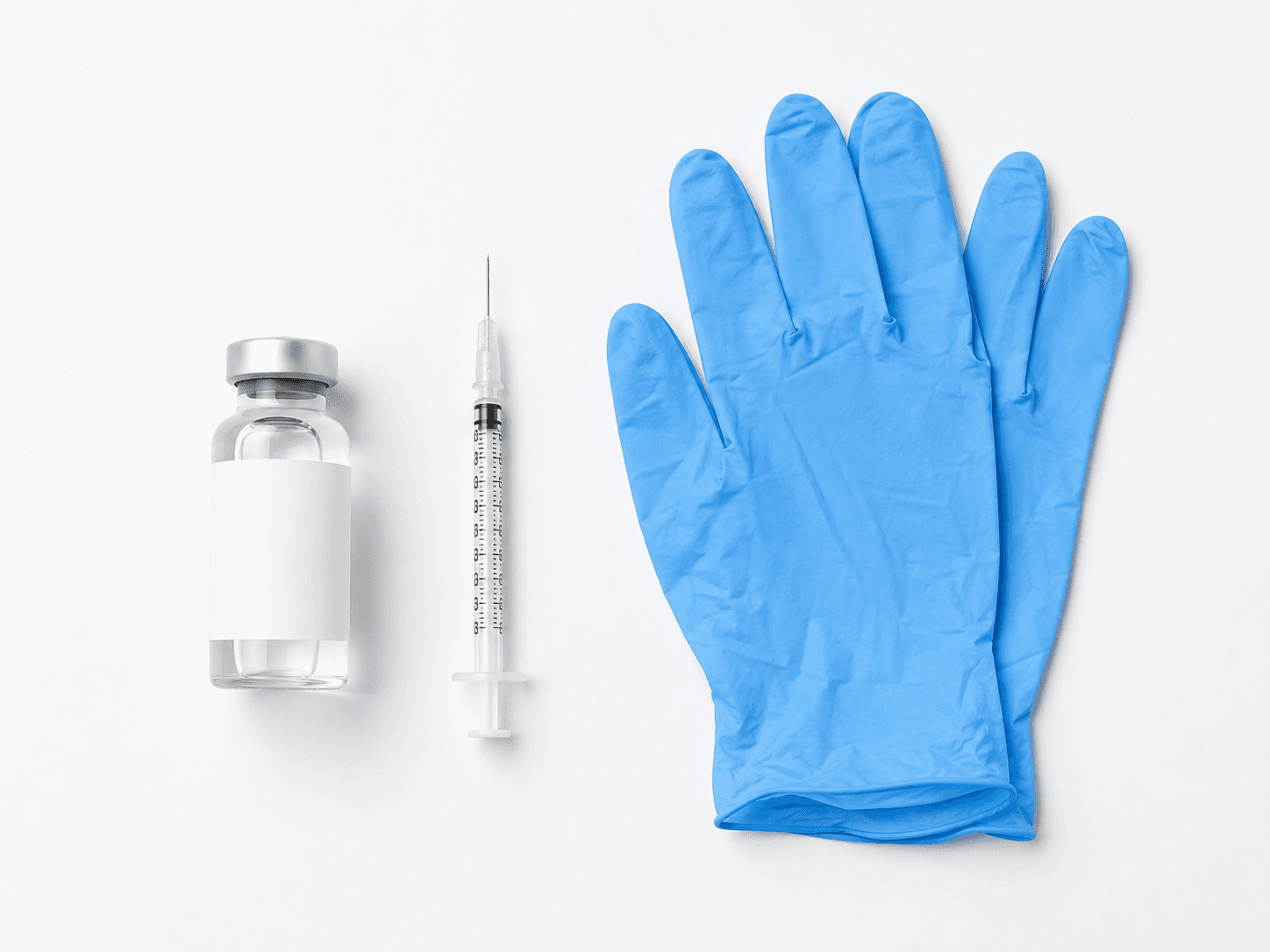
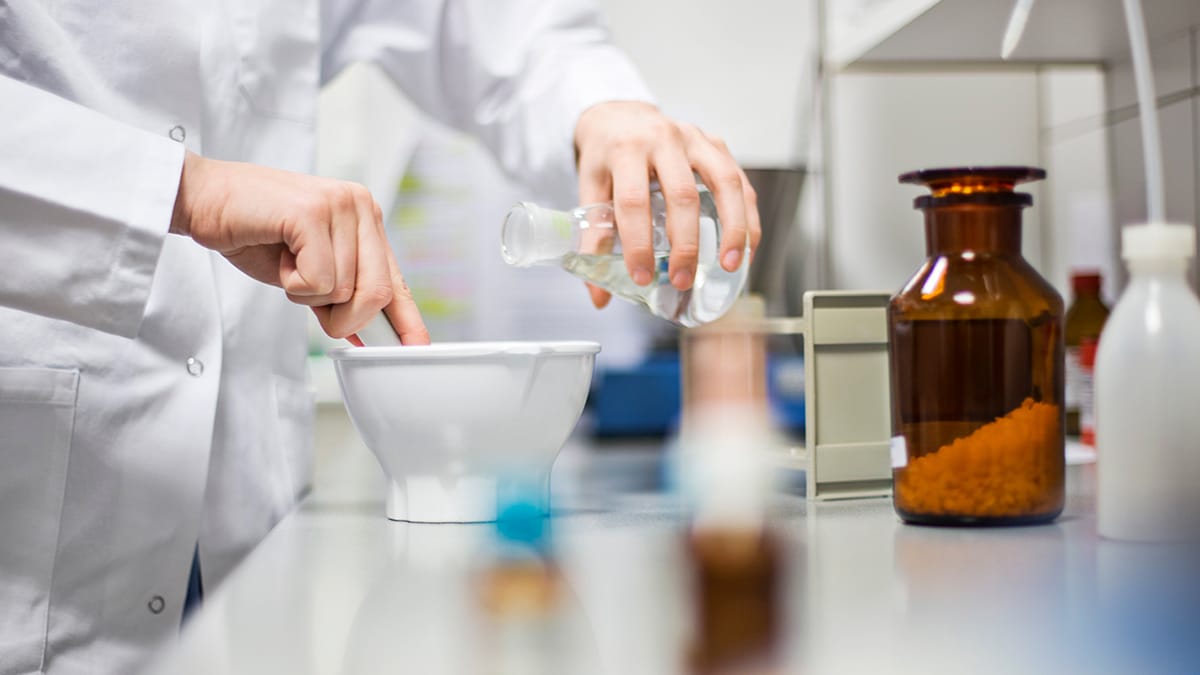
Between expensive branded drugs and risky gray market products, there is a third option. FDA Philippines-licensed compounding pharmacies like ObraRx can prepare GLP-1 medications from GMP-certified active pharmaceutical ingredients, on a per-prescription basis, in a sterile cleanroom environment.
This is not a workaround or a loophole. Compounding is a recognized and regulated pharmaceutical practice. In the Philippines, it is specifically authorized under RA 8293 Section 72.4 of the Intellectual Property Code, which permits licensed pharmacies to compound medications — including those with patented active ingredients — based on individual prescriptions. The additional requirements under RA 9711 (FDA LTO) and RA 10918 (licensed pharmacist) ensure quality and accountability.
How to access GLP-1 medications safely
Step one: work with a PRC-licensed physician. GLP-1 medications require medical supervision. Your doctor will evaluate your health profile, determine whether a GLP-1 agonist is right for you, prescribe the appropriate medication and dosage, and monitor your progress.
Step two: choose an FDA-licensed pharmacy. Ask for their LTO number and verify it with FDA Philippines. Ask for a Certificate of Analysis. Confirm who the Responsible Pharmacist (RP) is. Ensure cold chain delivery is maintained. At ObraRx, all of these are standard practice.
At ObraRx, all of these are standard. Every vial comes with documentation, every order has a pharmacist behind it, and every delivery is temperature-controlled.